무엇을 찾고 계신가요?

Installing solar panels on uneven farmland can be more complicated than working on flat ground. Slopes, changes in elevation, and varying soil conditions all affect the installation process. Choosing a suitable solar mounting structure helps keep the system stable, reduces the need for extensive ground preparation, and makes better use of the available land.
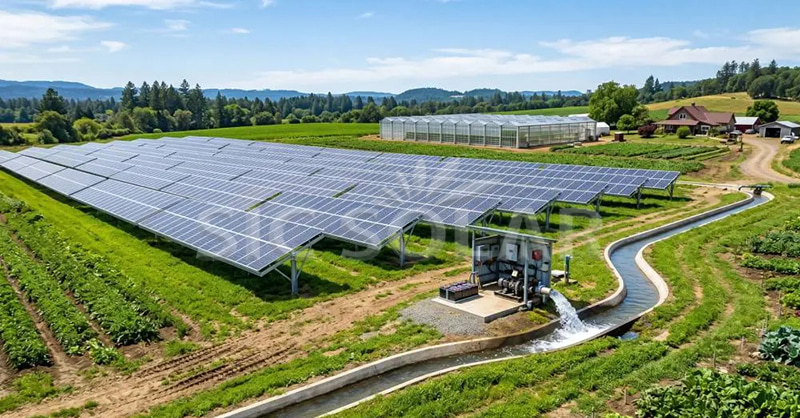
Start with a proper site survey. Check the slope direction, elevation differences, soil type, and ground stability. These details help determine the most suitable foundation and mounting structure. A clear understanding of the terrain can also prevent design changes and installation problems later on.
Adjustable ground mounting systems are often a practical choice for uneven farmland. Different post heights and adjustable components make it easier to follow changes in ground level and keep the solar panels properly aligned. This can reduce the amount of leveling work required before installation.
The foundation should match the soil conditions and the structural requirements of the project. Ground screws can be a good option where the soil allows proper installation and provides sufficient holding capacity. Concrete foundations may be more suitable for certain difficult ground conditions. Proper foundation design helps prevent settlement and unwanted movement over time.
Open farmland is often exposed to strong winds, with little surrounding protection. Depending on the project location, heavy snow and other environmental conditions may also affect the mounting structure. Rail spacing, post strength, fasteners, and foundations should all be designed to meet local load requirements.
Aluminum and galvanized steel are widely used in ground-mounted solar systems. Aluminum is lightweight and offers good corrosion resistance, while galvanized steel provides the strength needed for many larger structures. The choice depends on the project design, environmental exposure, and long-term maintenance requirements.
SIC Solar manufactures and supplies photovoltaic mounting systems for different terrain conditions and project applications. Selecting the right materials and structural design is essential for reliable performance on uneven farmland.
For agrivoltaic projects, the mounting layout needs to work alongside everyday farming operations. Panel height, row spacing, and access routes should leave enough room for agricultural machinery, crop growth, and maintenance. Planning these details early helps avoid conflicts between solar installations and farming activities.
Q1: Can solar mounting systems be installed on sloped farmland?
A: Yes. Adjustable mounting structures can accommodate changes in ground level, provided the design is based on the actual terrain and structural requirements.
Q2: Are ground screws suitable for uneven farmland?
A: They can be suitable, depending on soil conditions, installation depth, and required foundation capacity. A site assessment is recommended before selection.
Q3: What information is needed for a solar mounting system quotation?
A: Provide the project location, land slope, soil conditions, solar panel specifications, and local wind and snow load requirements. Site photos and layout drawings are also helpful.
Q4: Can mounting structures be customized for agricultural projects?
A: Yes. Structure height, row spacing, and panel layout can be adjusted to leave sufficient room for farming equipment and other agricultural activities.
Q5: Does SIC Solar supply customized ground mounting systems?
A: SIC Solar provides photovoltaic mounting solutions for different project conditions. Contact the team with your farmland layout and technical requirements to discuss suitable options.



 한국의
 English
 Deutsch
 español
 português
 Nederlands
 العربية
 日本語
 Melayu
 Tiếng việt


 IPv6 네트워크 지원