무엇을 찾고 계신가요?

기초는 모든 사업에서 가장 중요한 부분 중 하나입니다. 지상 설치형 태양광 프로젝트 기초는 바람, 비, 눈과 같은 환경 조건에서도 태양광 패널 설치 시스템을 안정적으로 유지하는 데 필요한 구조적 지지력을 제공합니다. 적절한 기초 옵션을 선택하는 것은 토양 유형, 프로젝트 규모, 설치 속도 및 예산과 같은 요소에 따라 달라집니다. 가장 일반적으로 사용되는 솔루션으로는 지반 나사, 콘크리트 기초 및 말뚝 기초가 있습니다.
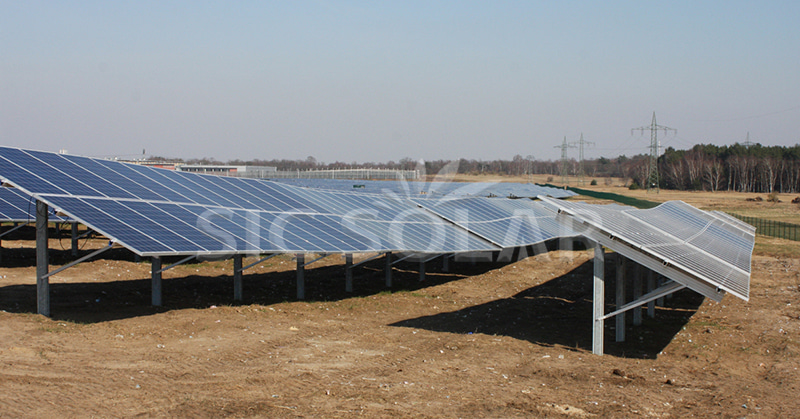
지반 나사는 빠르고 효율적인 설치 과정 덕분에 현대 태양광 발전 설비에 널리 사용됩니다. 이 강철 나사는 특수 장비를 사용하여 지면에 직접 박아 넣어 설치 구조물을 위한 안정적인 기반을 만듭니다. 지반 나사의 가장 큰 장점 중 하나는 굴착 작업이 최소화되어 현장에 미치는 영향이 적다는 것입니다. 따라서 환경 보호를 우선시하거나 공사 기간을 단축해야 하는 프로젝트에 특히 적합합니다.
지반 고정 나사는 다양한 토양 조건에서 유연성을 제공합니다. 필요한 하중 지지력에 맞춰 길이와 직경을 조절할 수 있습니다. 또한, 경우에 따라 탈부착 및 재사용이 가능하여 임시 또는 이동식 태양광 시스템에 적합한 옵션입니다. 하지만 암석이 많거나 지반이 매우 단단한 경우에는 설치가 어려울 수 있습니다.
콘크리트 기초는 특히 높은 구조적 안정성이 요구되는 지역에서 흔히 사용되는 또 다른 해결책입니다. 이 방법은 구멍을 파고 콘크리트 기초를 타설하여 설치 구조물을 고정하는 방식입니다. 콘크리트 기초는 내구성이 뛰어나고 상당한 풍하중과 적설량을 견딜 수 있어 대규모 또는 영구적인 태양광 발전 시설에 적합합니다.
콘크리트 기초의 장점 중 하나는 지반 변동에 대한 저항력이 강하다는 것입니다. 따라서 지반이 불안정한 지역이나 지역 법규에서 철근 콘크리트 기초를 요구하는 경우에 선호됩니다. 그러나 콘크리트 시공은 일반적으로 지반 나사 공법에 비해 더 많은 노동력과 긴 양생 시간이 소요되며 환경에 미치는 영향도 더 큽니다.
말뚝박기 공법은 대규모 태양광 발전 프로젝트에서도 널리 사용됩니다. 이 공법은 말뚝박기 장비를 이용하여 강철 말뚝을 지면에 직접 박는 방식입니다. 말뚝박기 공법은 설치가 빠르고, 많은 경우 콘크리트 타설 없이도 강력한 구조적 지지력을 제공합니다. 특히 설치 효율이 중요한 대규모 태양광 발전소에서 효과적인 공법입니다.
말뚝 기초는 다양한 토양 유형에 적합하지만, 설치 전에 적절한 지반 공학적 분석이 필수적입니다. 말뚝의 깊이와 종류는 토양 조건과 프로젝트 요구 사항에 따라 결정됩니다. 연약 지반의 경우 충분한 안정성을 확보하기 위해 더 긴 말뚝이 필요할 수 있습니다.
각 기초 방식에는 장점과 한계가 있습니다. 지면 스크류는 시공 속도가 빠르고 현장에 미치는 영향을 최소화하며, 콘크리트는 최대의 안정성을 제공하고, 말뚝 기초는 대규모 프로젝트에서 효율성을 높여줍니다. 최적의 선택은 현장 특성과 엔지니어링 요구 사항에 따라 달라집니다.
제조업체들 SIC 솔라 다양한 기초 유형과 호환되는 태양광 패널 설치 시스템을 제공합니다. 이 설치 솔루션은 지반 나사, 콘크리트 기초 또는 말뚝 기초에 적용할 수 있어 프로젝트 개발자가 다양한 환경 및 구조적 요구 사항에 가장 적합한 옵션을 선택할 수 있습니다.
태양광 패널 설치 시스템의 장기적인 성능과 안전을 보장하기 위해서는 적절한 기초 선정이 필수적입니다. 토양 조건, 환경 하중, 설치 요건 등을 신중하게 평가함으로써, 태양광 프로젝트는 수십 년 동안 안정적인 구조적 지지력과 효율적인 에너지 생산을 달성할 수 있습니다.



 한국의
한국의  English
 Deutsch
 español
 português
 Nederlands
 العربية
 日本語
日本語 Melayu
 Tiếng việt

 IPv6 네트워크 지원