회사
회사

What Is a Solar Facade Mounting System?

What Is a Solar Facade Mounting System?
Apr 16 , 2026

As cities become more densely built and rooftop space becomes limited, vertical surfaces are increasingly being used for solar energy generation. A solar facade mounting system is a specialized structure designed to install photovoltaic panels on the exterior walls of buildings. This approach transforms building facades into energy-producing surfaces while maintaining architectural functionality.

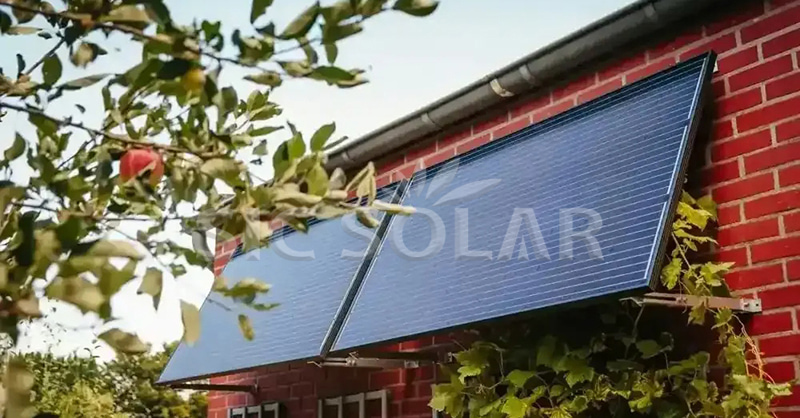
A solar facade mounting system is typically installed on the vertical or slightly inclined surfaces of a building. It consists of brackets, rails, and fastening components that securely attach solar panels to walls made of concrete, brick, or metal cladding. These systems are engineered to withstand environmental loads such as wind pressure while maintaining the safety and stability of the building structure.

solar panels on facade

One of the main advantages of solar facade systems is efficient space utilization. In urban environments where roof space may be insufficient or already occupied, building facades offer additional areas for solar installation. This allows property owners to increase their total solar capacity without requiring extra land.

Solar facade mounting systems can also contribute to building aesthetics. Modern designs often integrate photovoltaic panels into the architectural appearance of the building. In some cases, panels are arranged in a uniform pattern or combined with glass elements to create visually appealing facades. This approach is commonly associated with building-integrated photovoltaics (BIPV), where solar panels become part of the building envelope.

Another benefit is improved energy generation throughout the day. While rooftop systems are usually optimized for peak sunlight at midday, facade-mounted panels can capture sunlight at different angles, especially during morning and late afternoon hours. This can help balance energy production over a longer period of time.

Installation design is a key factor in the performance of facade systems. The mounting structure must ensure proper spacing between the panels and the wall to allow ventilation and prevent heat buildup. Adequate airflow helps maintain panel efficiency and extends the lifespan of the system. The tilt angle and orientation of the panels are also carefully considered to maximize solar exposure.

Durability and material quality are essential for long-term performance. Since facade systems are exposed to wind, rain, and temperature variations, mounting components are typically made from corrosion-resistant materials such as aluminum and stainless steel. Strong anchoring methods ensure that the system remains secure even under challenging weather conditions.

Manufacturers such as SIC Solar provide a range of photovoltaic mounting solutions, including systems suitable for facade applications. Their products are designed to combine structural reliability with installation flexibility, allowing solar panels to be securely mounted on different types of building surfaces. This helps ensure that facade-mounted systems can perform efficiently while meeting safety requirements.

Maintenance is another consideration. Facade-mounted panels are generally accessible for cleaning and inspection, although installation height may require specialized equipment. Regular maintenance helps maintain energy output and system longevity.

Solar facade mounting systems offer a practical way to expand solar energy generation in space-limited environments. By utilizing vertical building surfaces, they enable property owners to integrate renewable energy into modern architecture while making efficient use of available space.

메시지를 남겨주세요
10년 이상의 태양광 경험과 전문성을 갖춘 SIC SOLAR는 경영이론을 고집합니다.
메시지 보내기

메시지를 남겨주세요

메시지를 남겨주세요
10년 이상의 태양광 경험과 전문성을 갖춘 SIC SOLAR는 경영이론을 고집합니다.
메시지 보내기

제품

whatsApp

연락하다