무엇을 찾고 계신가요?

태양광 패널용 브래킷 설치요? 네, 전체 태양광 시스템을 튼튼하게 고정하는 데 아주 중요한 부분입니다. 브래킷은 패널을 지붕이나 땅 등 설치 위치에 단단히 고정시켜주는 받침대 역할을 합니다. 브래킷을 제대로 설치하면 날씨에 상관없이 (바람, 비, 눈 등) 시스템이 안정적으로 작동할 것입니다.
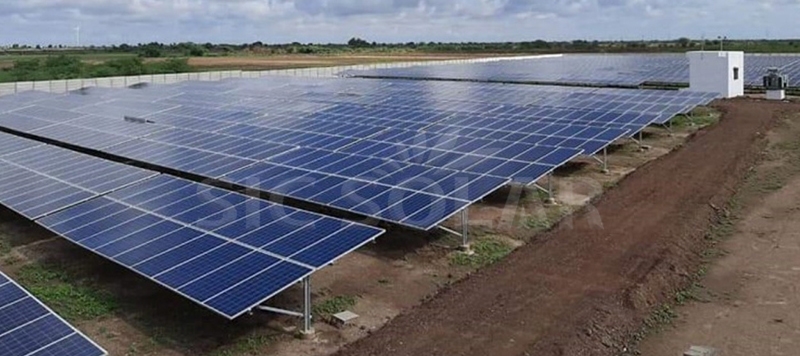
무슨 일이야? 태양광 패널 브래킷 ?
그러니까 브래킷은 패널을 제자리에 고정하는 시스템의 일부입니다. 패널을 레일이나 아래쪽 구조물에 연결하는 역할을 하죠. 일반적으로 브래킷은 항상 외부에 노출되어야 하기 때문에 알루미늄이나 스테인리스 스틸처럼 녹슬지 않는 재질로 만들어집니다.
패널을 부착하는 위치에 따라 사용하는 브래킷이 달라집니다. 경사진 지붕에는 고리나 L자형 브래킷이 필요할 수 있습니다. 평평한 지붕에는 각도 조절이 가능한 브래킷이 사용됩니다. 지면 설치의 경우, 일반적으로 레일과 클램프가 있는 더 큰 지지대를 사용합니다.
계획하세요
브래킷을 설치하기 전에 시간을 내어 계획을 세우세요. 지붕의 구조, 방향, 설치 공간 등을 확인하세요. 패널 크기와 레일 작동 방식을 고려하여 브래킷 간격을 조정하세요. 무게가 고르게 분산되도록 간격을 정확하게 맞춰야 합니다.
일반적으로 각 브래킷이 설치될 위치를 표시합니다. 서까래처럼 나사를 박을 수 있는 단단한 부분이 있는 곳을 선택하세요. 나중에 문제가 발생하지 않도록 이 단계에서 꼼꼼하게 측정하십시오.
지붕에 브래킷 설치하기
자, 이제 지붕에 브래킷을 설치할 시간입니다. 지붕이 경사져 있다면, 볼트를 이용해서 서까래에 고리나 L자형 지지대를 직접 나사로 고정해야 할 겁니다. 그리고 물이 새지 않도록 방수제를 사용하는 것도 잊지 마세요.
금속 지붕이신가요? 드릴 작업 없이 이음새를 단단히 고정해주는 특수 클램프가 있습니다. 이 클램프를 사용하면 지붕을 손상시키지 않으면서 패널을 안전하게 고정할 수 있습니다.
평평한 지붕은 조금 다릅니다. 지붕에 구멍을 뚫지 않고 패널을 올바른 각도로 유지하려면 무게추나 고정식 지지대를 사용할 수 있습니다.
Rails와 모든 것을 제대로 정리하기
브래킷을 제자리에 고정한 후에는 마운팅 레일을 부착합니다. 이 레일은 패널이 놓이는 부분이므로 매우 반듯하게 설치해야 합니다. 조금이라도 어긋나면 전체 설치가 엉망이 될 수 있습니다.
측정 도구를 사용하여 레일이 수평이고 간격이 고르게 되어 있는지 확인하세요. 이 부분을 제대로 하면 패널 설치가 훨씬 쉬워집니다.
태양광 패널 고정하기
브래킷과 레일 설치가 완료되면 이제 패널을 설치할 차례입니다. 패널은 중간 클램프와 끝단 클램프를 사용하여 레일에 고정됩니다. 이 클램프들은 패널을 단단히 고정하면서도 온도 변화에 따른 약간의 흔들림을 방지합니다. 또한, 클램프는 패널 프레임을 잡아 바람이 불어도 모든 것이 안정적으로 유지되도록 합니다.
우수한 장착 시스템은 표준 부품과 간단한 고정 방식을 통해 이러한 작업을 더 쉽게 만들어 줍니다. 제조업체로는 다음과 같은 곳들이 있습니다. SIC 솔라 태양광 패널 장착 시스템을 생산 및 공급하는 이 회사는 다양한 지붕 및 지면 구조에 효율적으로 설치할 수 있도록 지원하는 브래킷 솔루션을 설계합니다.
꼼꼼히 확인하고 제대로 고정되었는지 확인하세요.
설치가 완료되면 꼼꼼히 살펴보세요. 모든 볼트가 단단히 조여졌는지, 모든 부품이 제대로 정렬되었는지, 방수 처리가 완벽한지 확인하십시오. 또한 전체 구조물이 해당 지역의 날씨를 견딜 수 있는지 다시 한번 확인하세요.
튼튼한 지지대 시스템은 태양광 발전 시스템을 견고하게 만들어 줍니다. 패널을 안전하게 고정하고 오랫동안 제 기능을 유지하도록 해주는 핵심 요소입니다.



 한국의
한국의  English
 Deutsch
 español
 português
 Nederlands
 العربية
 日本語
日本語 Melayu
 Tiếng việt

 IPv6 네트워크 지원