무엇을 찾고 계신가요?

발코니 태양광 패널 아파트나 콘도에 설치하는 소규모 태양광 발전 시스템은 유럽 일부 지역에서는 꽤 인기가 있지만, 미국에서는 거의 볼 수 없습니다. 이는 단순히 기술적인 문제만이 아니라, 관련 규정, 건물 설계, 자금 문제, 그리고 태양광 시장의 작동 방식 등 여러 요인이 복합적으로 작용한 결과입니다.
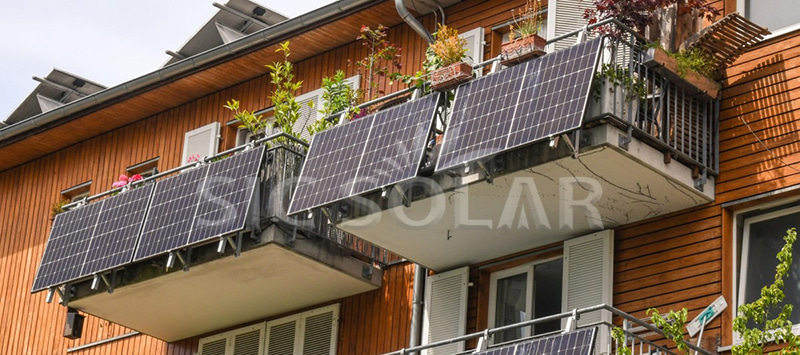
규칙 및 전력망 연결
여기서 가장 큰 문제는 규정입니다. 유럽에서는 발코니 태양광 패널을 콘센트에 바로 꽂을 수 있는 경우가 많지만, 미국에서는 훨씬 엄격합니다. 전력 회사들은 소규모 시스템이라도 계통 연계를 위해 인증된 인버터, 허가, 검사, 계약 등을 요구하는 경우가 많습니다. 이 때문에 모든 것이 더 복잡하고 비용이 많이 들기 때문에 발코니 태양광 발전은 그다지 매력적이지 않습니다.
주택 및 도시 배치
발코니 태양광 발전은 아파트 구조와 발코니 방향이 비슷한 밀집된 도시에서 가장 효과적입니다. 하지만 미국 도시들은 아파트보다 단독주택이 더 많고, 특히 아파트 임차인의 경우 발코니가 그늘지거나 모양이 특이하거나 추가 무게를 견딜 만큼 튼튼하지 않은 경우가 많아 태양광 발전 설비 설치가 어렵습니다.
소유권 및 허가
또 다른 문제는 건물의 소유권 문제입니다. 아파트의 경우 발코니는 보통 건물에 딸려 있기 때문에 세입자는 발코니 외부에 무엇을 설치하려면 건물주나 관리인의 허가를 받아야 합니다. 특히 미관, 안전, 또는 사고 발생 시 책임 소재 등을 고려할 때 허가를 받는 것은 쉽지 않습니다.
돈과 특혜
미국에서는 대규모 옥상 태양광 시스템에 할인 혜택이 제공됩니다. 세금 감면, 주 정부 프로그램, 순 계량 방식 등은 일반적으로 규모가 큰 시스템에 적용됩니다. 발코니 패널은 발전량이 적어 옥상 시스템이나 임차인이 공동으로 태양광 발전에 투자할 수 있는 커뮤니티 태양광 프로그램에 비해 투자 가치가 떨어집니다.
안전, 바람, 그리고 책임 소재
미국의 건축법은 풍하중, 화재, 강도에 대해 엄격한 기준을 적용합니다. 발코니 태양광 패널은 강풍, 특히 해안가나 폭풍이 잦은 지역에서는 강풍을 견뎌야 합니다. 건물주와 보험사는 발코니 태양광 시스템을 위험한 것으로 간주하는 경우가 많아, 시스템이 안전하더라도 문제가 발생할 경우 누가 책임을 져야 하는지에 대한 우려가 제기됩니다.
태양광 산업이 중점적으로 다루는 것
미국 태양광 산업은 주로 옥상, 지상 설치형, 대규모 발전소 프로젝트에 집중해 왔는데, 이는 이러한 프로젝트들이 더 많은 에너지와 수익을 창출하기 때문입니다. 기업들은 이러한 시스템을 설치하는 표준적인 방식에 투자해 왔습니다. 예를 들어, SIC 솔라 이 회사는 주로 옥상, 지상 설치, 차고 및 대규모 프로젝트용 마운팅 시스템을 제작하는데, 그 이유는 수익성이 그곳에 있기 때문입니다.
관심 증가와 앞으로 일어날 수 있는 일들
이러한 문제점들에도 불구하고, 도시 인구 밀도가 높아지고 에너지에 대한 관심이 증가함에 따라 발코니 태양광에 대한 관심은 점차 높아지고 있습니다. 더 나은, 더 가벼운 설치 방식, 더 안전한 시스템 등이 개발된다면 규제 당국과 건물 소유주들에게 발코니 태양광이 더욱 매력적으로 다가올 것입니다. 또한, 관련 규정 및 프로그램의 변화 역시 발코니 태양광의 성장을 촉진할 수 있습니다.
발코니 태양광 패널은 미국에서 널리 보급되지 못했는데, 이는 시장이 대규모 태양광 솔루션에 더 집중되어 있었기 때문입니다. 규제, 건물 소유권, 부족한 복지 혜택, 그리고 업계의 중점 분야 등 여러 요인이 기술의 발전에도 불구하고 이러한 상황을 좌우해 왔습니다.



 한국의
한국의  English
 Deutsch
 español
 português
 Nederlands
 العربية
 日本語
日本語 Melayu
 Tiếng việt

 IPv6 네트워크 지원